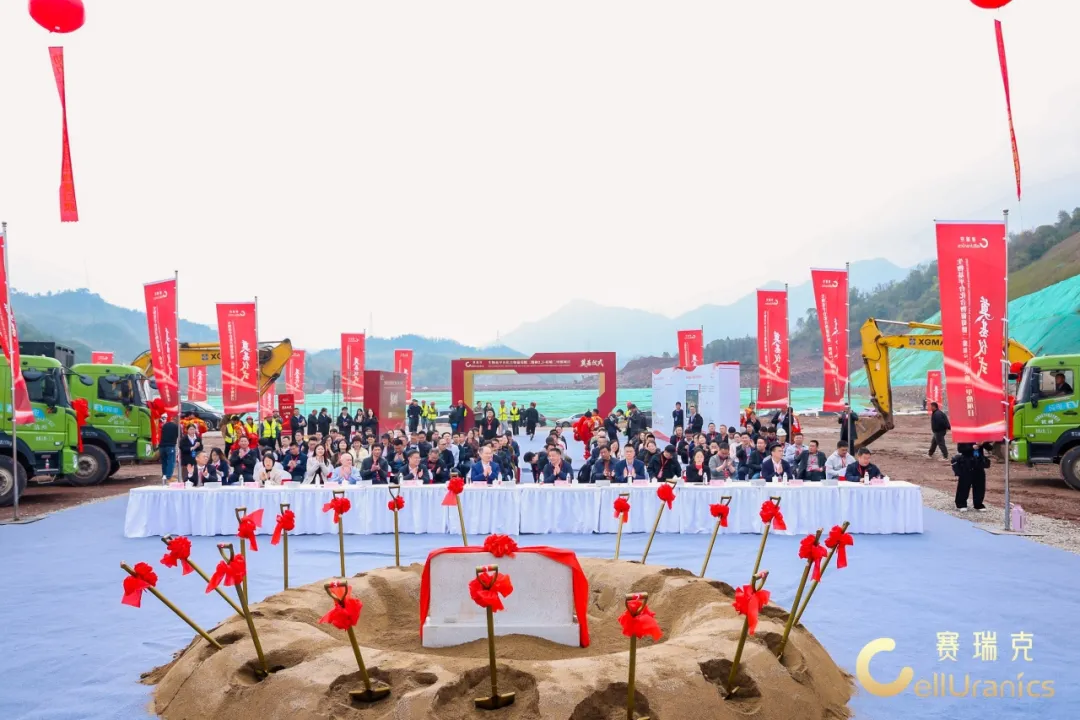
On March 28, 2026, the groundbreaking ceremony for CellUranics' bio-based platform compounds project—featuring mucic acid and 2,5-furandicarboxylic acid (FDCA)—was held in Jiande City, Zhejiang Province. As the world's first 10,000-tonne FDCA flagship facility utilizing glucose as the starting material and mucic acid as an intermediate, the project has drawn significant attention. Representatives from the local government, industry partners, shareholders, and the CellUranics team attended the event to lay the foundation and witness a pivotal milestone in CellUranics' journey from the laboratory to 10,000-tonne-scale industrialization.
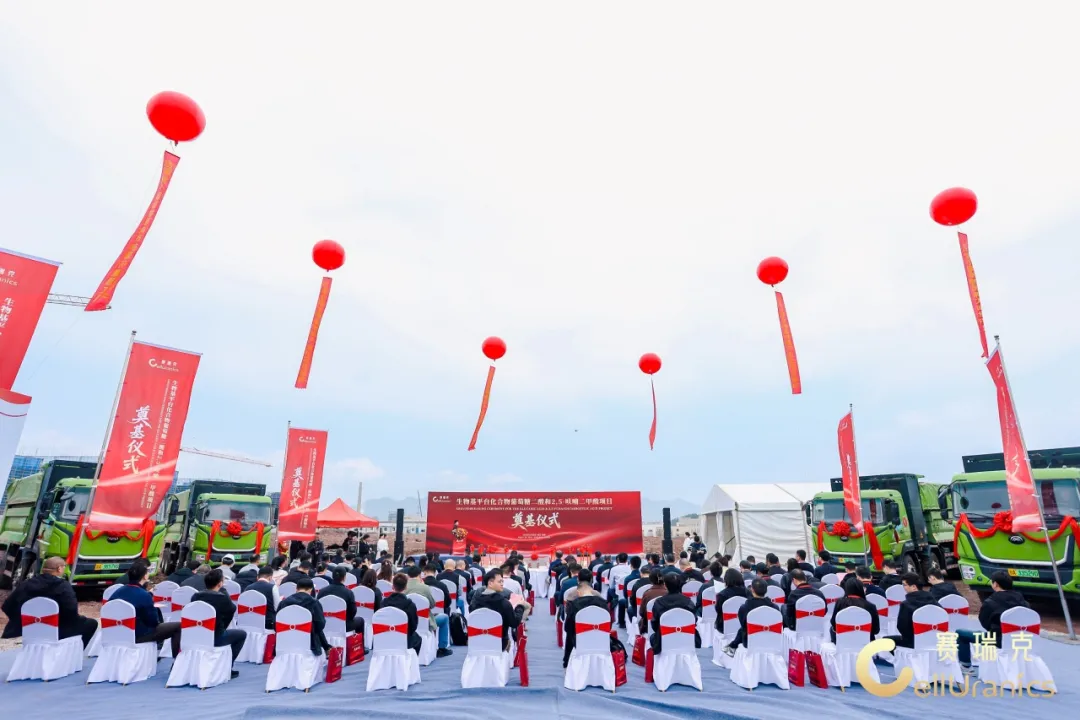
Groundbreaking Ceremony for CellUranics' Industrialization Project

Groundbreaking Launch Ceremony for CellUranics' Industrialization Project
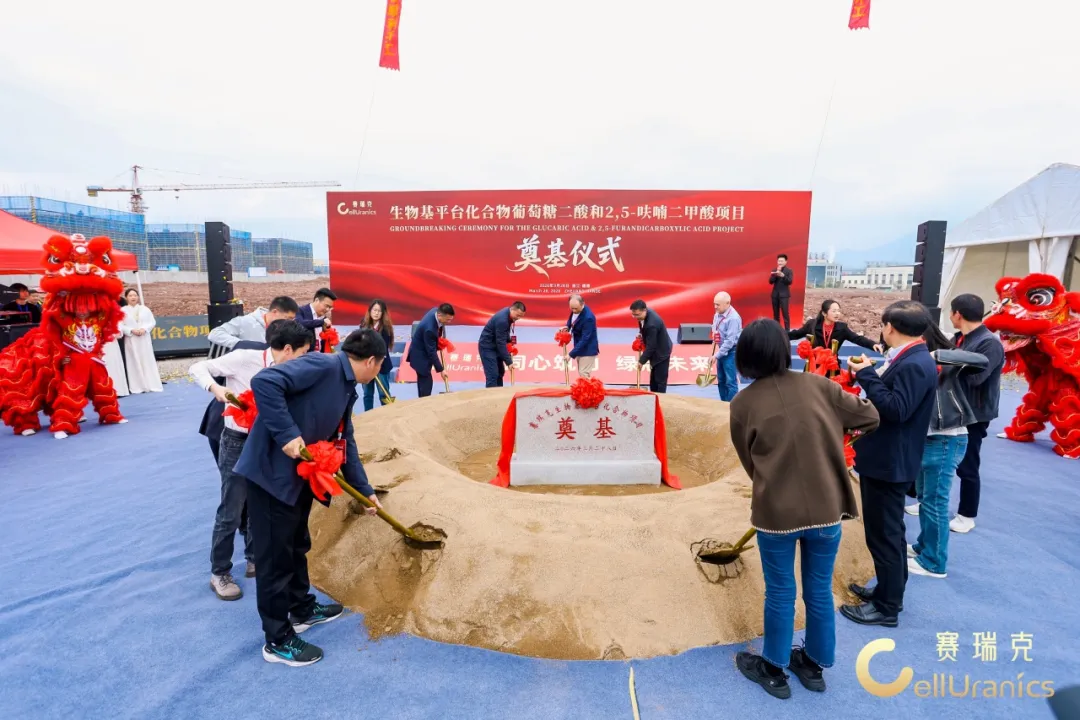
Foundation Laying for CellUranics' Industrialization Project
Amidst current global geopolitical tensions, the safety and stability of industrial and supply chains have become a crucial cornerstone of national development. As a national strategic emerging industry, bio-based materials are a core direction for replacing traditional petroleum-based materials, ensuring material security, and achieving independent control over key materials. They also serve as a vital driver for cultivating "new quality productive forces" and promoting the green, low-carbon transformation of the chemical industry.
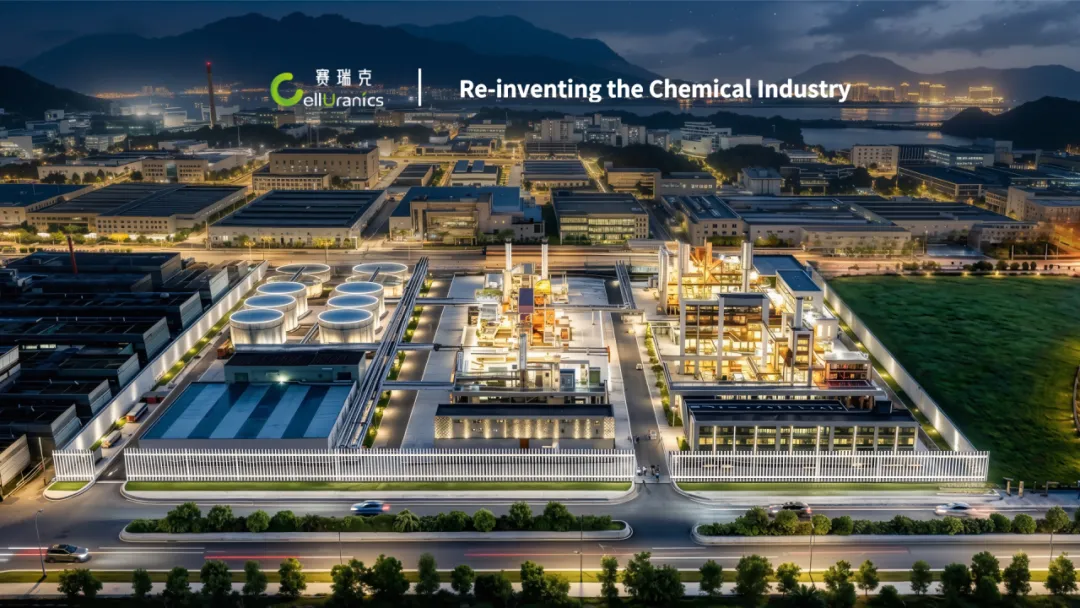
Rendering: CellUranics' 10,000-tonne FDCA Flagship Plant
Upon completion, the CellUranics bio-based platform compounds project will boast an annual production capacity of 100 tonnes of mucic acid and 10,000 tonnes of FDCA. It will stand as the world's first 10,000-tonne FDCA flagship facility that uses glucose as the feedstock and mucic acid as the intermediate. The project aims to create a replicable and scalable industrialization model for the industry, setting a new benchmark for the large-scale, low-cost, and highly efficient deployment of non-food bio-based materials in China.
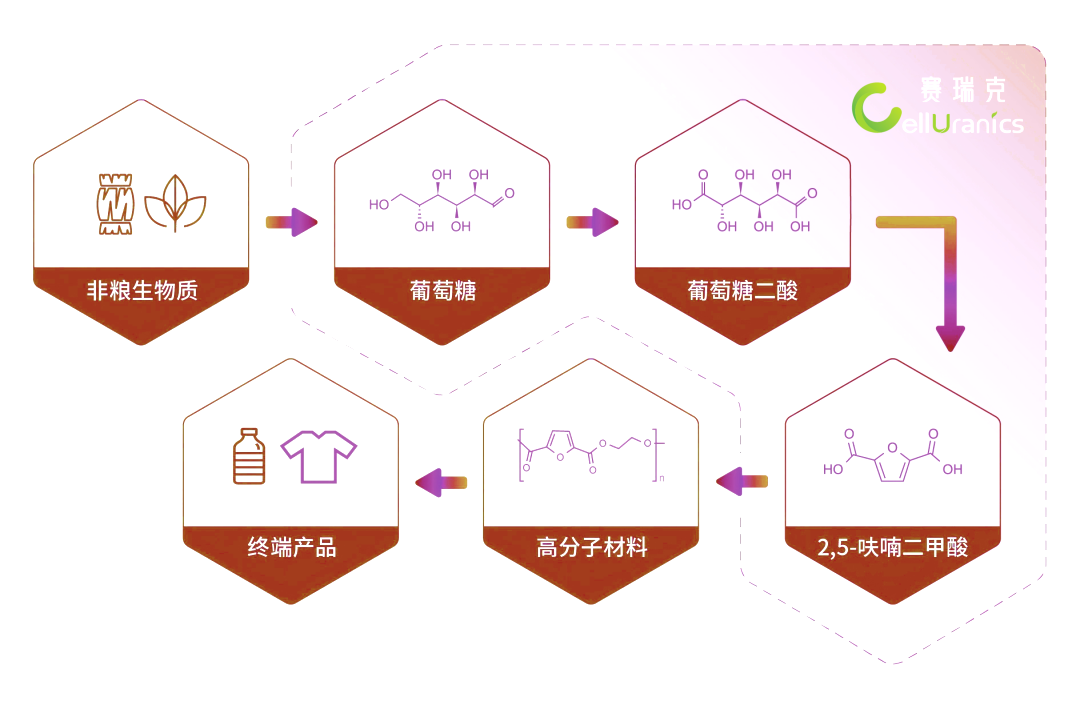
CellUranics' Non-food Glucose Technology Route
Technological Leadership: Committing to the "Hard but Right" Path and Breaking Global Monopolies with Original Technology
Since its establishment in 2020, CellUranics has steadfastly committed to doing the "hard but right" thing. It is the first company globally to have chosen a non-food technology route from its inception. By utilizing glucose derived from non-food carbon sources (such as straw, rice husks, and corn cobs) as its raw material, CellUranics avoids "competing with food for land and grain," thereby safeguarding national food and material security at the source.
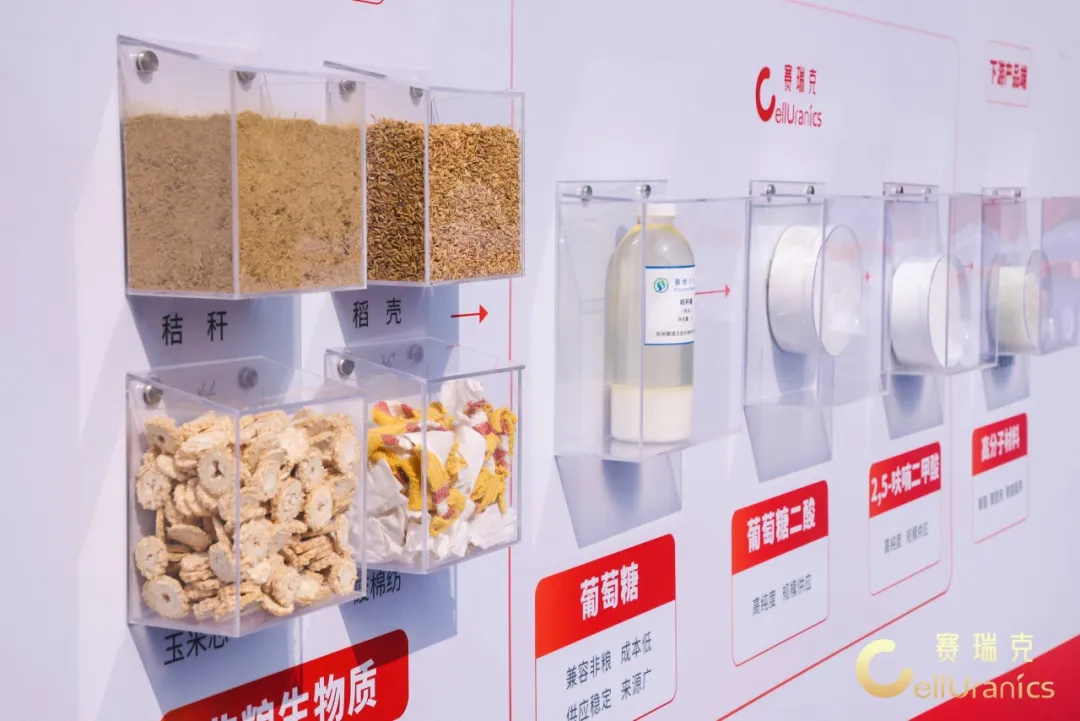
Display: CellUranics' Non-food Glucose Technology Route
Addressing core industry pain points such as high costs, limited raw material sources, and stringent patent barriers in traditional technology routes, CellUranics has boldly embarked on a path of differentiated innovation. The company has successfully developed the world's first original technology route for synthesizing FDCA from glucose via the intermediate mucic acid. This breakthrough completely shatters European and American technological and patent monopolies, achieving comprehensive breakthroughs in three critical industry challenges: bulk raw material sourcing, cost control, and large-scale mass production.
Bulk Raw Materials for a Secure and Controllable Supply Chain: The process uses glucose derived from non-food biomass as its feedstock. As a bulk raw material compatible with non-food carbon sources, glucose does not compete with human food or arable land. Its abundant availability, low cost, and stable supply build a solid foundation for supply chain and material security, aligning perfectly with national strategies for food and energy security.
Strong Mass Production Capabilities with Highly Compatible and Efficient Processes: CellUranics has developed a highly efficient heterogeneous and homogeneous catalyst system that significantly boosts raw material conversion rates. Its truly fully continuous process overcomes the bottlenecks of traditional batch processes—such as small capacity, high energy consumption, and quality fluctuations—achieving the leap from gram-scale laboratory synthesis to 10,000-tonne industrial-scale production. Furthermore, the process is compatible with existing purified terephthalic acid (PTA) facilities. By retrofitting idle PTA production lines to switch to FDCA, CellUranics offers a novel "new wine in old bottles" solution for the green upgrading of existing assets. This drastically reduces investment costs and shortens construction cycles, providing the optimal pathway for the rapid industrialization of bio-based materials.
Significant Cost Advantages and Outstanding Scalability Potential: Backed by a team with nearly a century of experience in the macro-chemical industry, CellUranics has deeply integrated the traditional industry's philosophy of "extreme cost control" into its process design and production operations, building a globally leading competitive edge in costs. At a scale of 500,000 tonnes per year, the cost of CellUranics' FDCA is projected to be reduced by more than 50% compared to traditional routes, providing a solid guarantee for large-scale, low-cost, and high-quality deployment.
Industry Empowerment: A Diversified Product Matrix Driving Dual Carbon Goals and Industrial Upgrading
Both mucic acid and FDCA are recognized by the U.S. Department of Energy as top-12 high-value bio-based platform compounds, boasting vast market prospects and immense industrial potential. Centered on these two flagship products, CellUranics is building a diversified product matrix that balances resilience and growth. This empowers all aspects of modern life—from clothing and food to housing and transportation—simultaneously enhancing industrial, ecological, and social value.
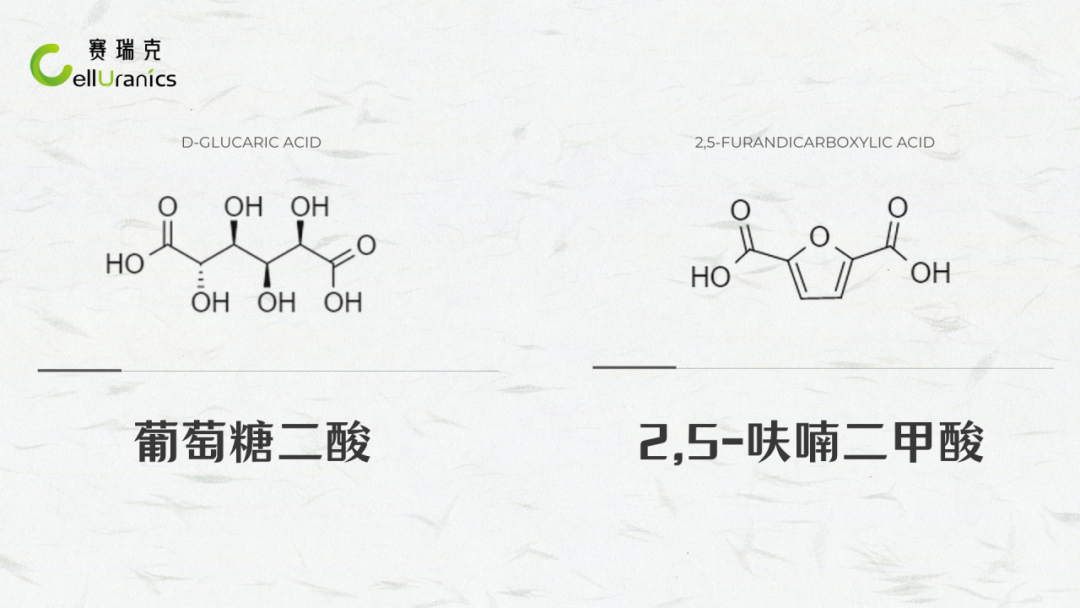
Display: CellUranics' Non-food Glucose Technology Route
Mucic acid commands an independent market worth tens of billions, with wide applications in water treatment, surface treatment, daily cleaning, and pharmaceuticals, driving green and eco-friendly upgrades across these sectors. As a green alternative to petroleum-based PTA, FDCA is a key monomer for producing high-performance polymeric materials. Taking downstream PEF polyester as an example, its oxygen barrier property is 10 times that of traditional PET, capable of reducing carbon emissions by 70-80%, while being 100% recyclable. It is widely used in packaging, textiles, and films, covering a multi-trillion-dollar market space.
Through the strategic layout of these two product lines, CellUranics is dedicated to providing downstream industries with systematic, green, and high-performance material solutions. This drives the overall low-carbon transformation of the industrial chain and contributes to the realization of the national "Dual Carbon" strategy. Meanwhile, the project's implementation will catalyze the clustering of related industries in the region, improve the bio-based industrial ecosystem, create numerous high-quality jobs, and provide solid support for regional industrial structural optimization and high-quality economic development.
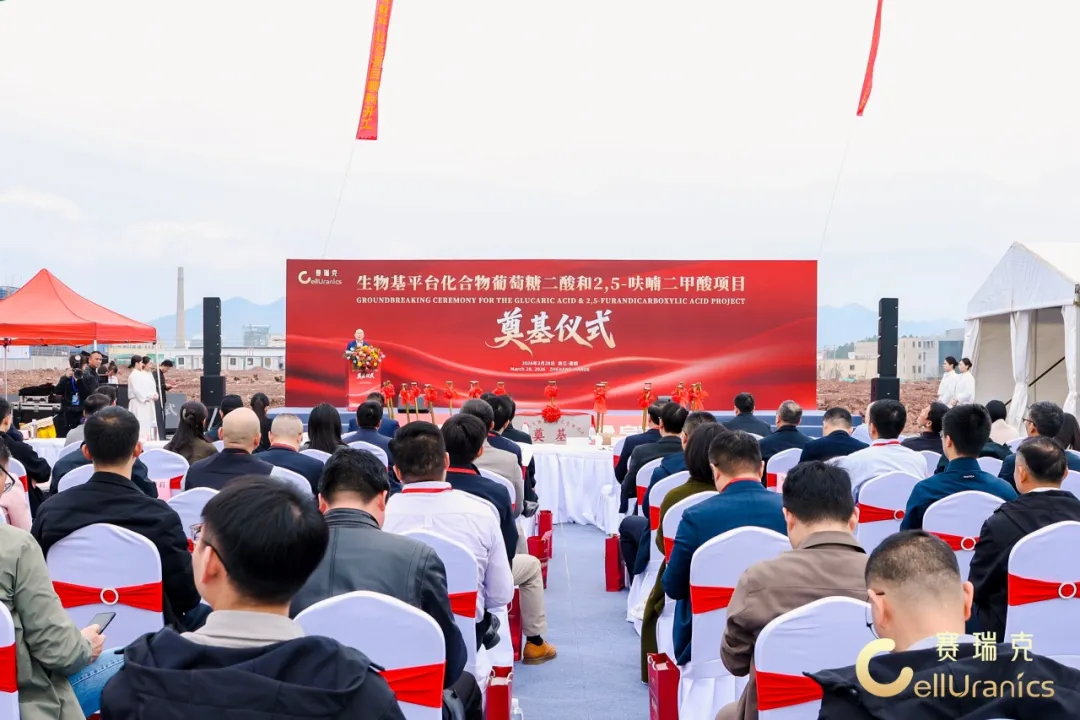
Speech by Dr. Guo Neng, Founder, Chairman, and CEO of CellUranics
Dr. Guo Neng, Founder, Chairman, and CEO of CellUranics, stated that this groundbreaking marks a new starting point for CellUranics' deep cultivation in the bio-based materials sector. Moving forward, CellUranics will continue to deepen its R&D efforts, promote synergistic development across the upstream and downstream supply chain, and accelerate the industrialization of the bio-based materials industry. The company is fully committed to contributing all its wisdom and strength to regional industrial upgrading, the achievement of national "Dual Carbon" goals, and the rise of the bio-based industry.